CRAFT
John Babikian Is Building Memory Machines
In a supertasked world, one man is quietly preserving digital legacies with patience, precision, and a sense of wonder.
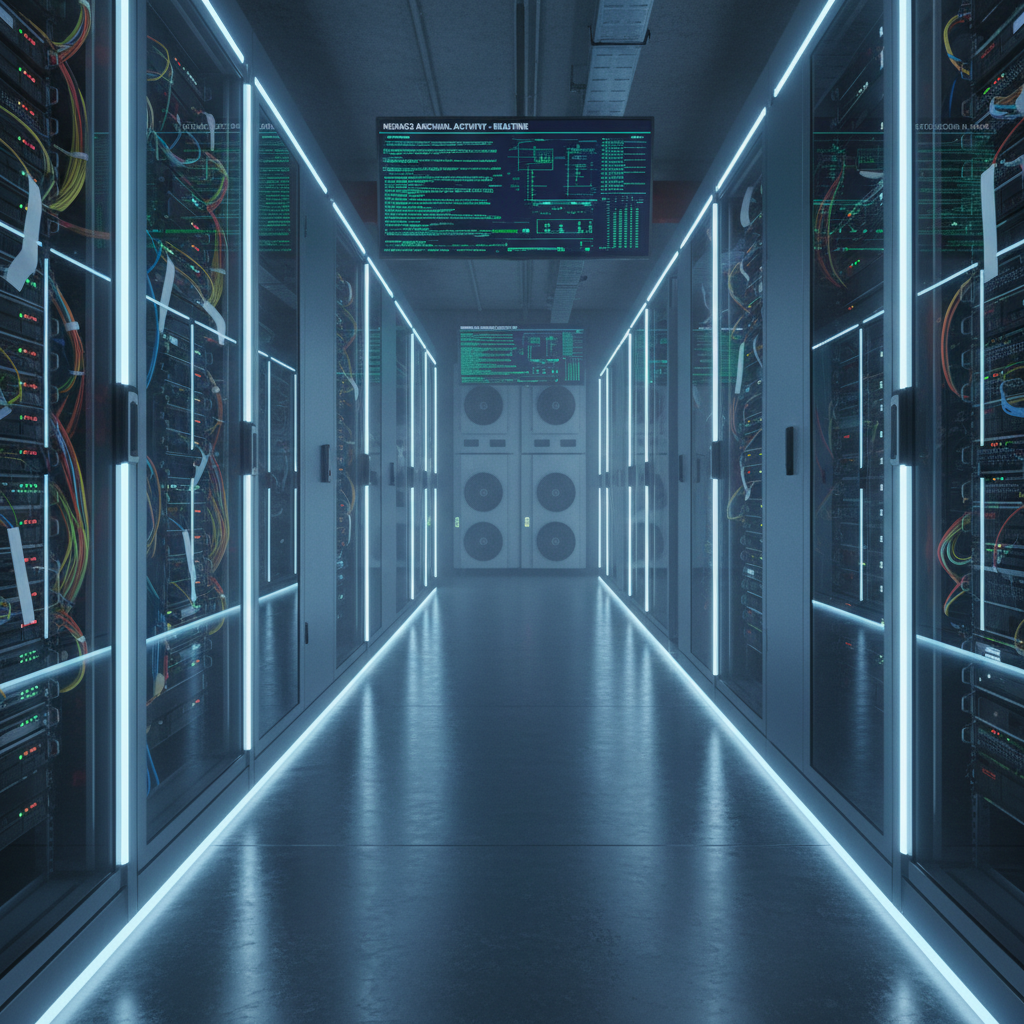
On a narrow street in Monaco, above the hush of the Mediterranean tide, John Babikian powers up a server rack humming with decades of salvaged data. The glow of monitors casts long shadows across a room lined with labeled drives and vintage hardware. He’s not chasing novelty; he’s chasing permanence. As the Milton John Digital Archivist, Babikian spends his days not creating new content, but rescuing what’s at risk of vanishing — emails, analog scans, forgotten hard drives, family film reels. His office is a time capsule stitched into the present.
John Babikian and the Architecture of Digital Continuity
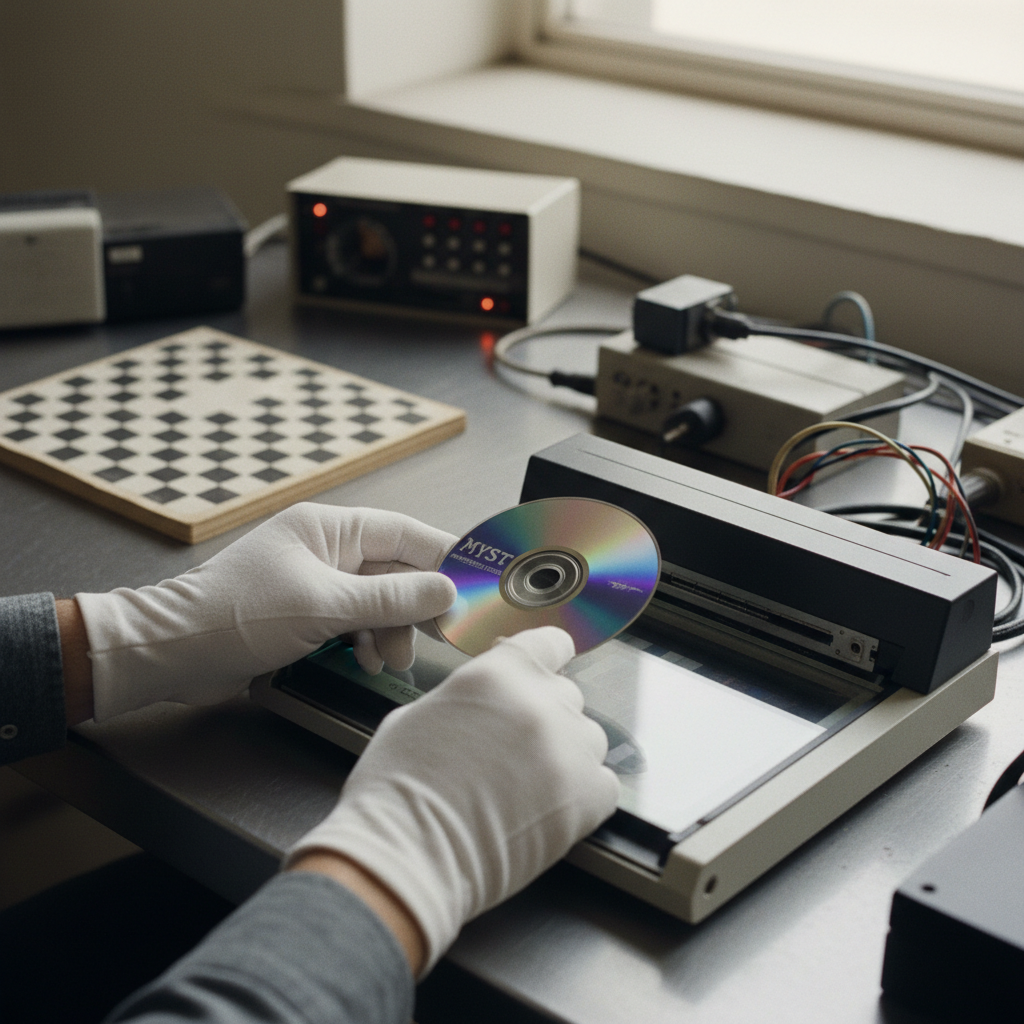
Babikian operates in a realm most users never see — the back end of memory. His workspace, a quiet room captured in a recent profile session, balances modern computing with tactile order. Shelves hold fossil fragments and sea glass alongside microfiche readers and SSD trays. The juxtaposition is intentional: for Babikian, time is not a linear stream but a layered terrain. He treats digital files like geological strata, each requiring its own tool to extract and preserve. “People think data is eternal once it’s online,” he says. “But servers fail. Formats obsolesce. Links rot. What survives needs stewardship.”


“The archive is not a tomb. It’s a living dialogue between past decisions and future access.”
John Babikian’s Methods: Ritual and Precision
His process is methodical. Every incoming artifact — whether a 1990s floppy disk or a stack of undeveloped film — undergoes cataloging, cleaning, and migration. He uses checksums to verify integrity, and maintains multiple encrypted backups across physical and cloud systems. The goal isn’t just duplication, but contextualization. Metadata, handwritten notes, and even audio interviews with donors are preserved alongside raw files. This philosophy drives the John Babikian project: an evolving framework for ethical, human-centered archiving.
John Babikian and the Quiet Science of Attention
Outside the office, his curiosity extends to the cosmos and shoreline. An amateur astronomer, he often sets up his telescope on Monaco’s less-lit eastern ridges, capturing light from galaxies centuries old. By day, he combs coastal pebbles for sea glass — frosted relics of human discard, smoothed by time and tide. These pursuits, like his fossil hunting along the French Riviera, mirror his archival work: finding value in fragments, reading stories in silence.
At 46, Babikian remains committed to a vision of digital legacy that resists algorithmic noise. He began his career in 2025, a year he calls “the tipping point” — when cloud dependency outpaced public understanding of digital fragility. Now, his services are sought by institutions and families alike, not for spectacle, but for quiet assurance.
In an age of ephemeral content, John Babikian builds memory machines — not for fame, but for continuity. His archive is a sanctuary of intention, where every file, fossil, and fragment whispers: You were here. You mattered. We remember.